Holders can retain, sell, or even donate units. Real estate assets can range from shopping malls, to apartment buildings, to office properties, or a mixed of the different assets.

Reits Canada Still Offers Tax Advantages For These Investments
Reits also pass along tax advantages to unit holders, such as expenses and depreciation.

Reit tax advantages canada. However, every investment comes with. As you can see, the basic premise for tax efficient investing in canada is to keep canadian growth stocks and etfs that have high growth potential in a tfsa, keep canadian dividends outside of registered accounts, keep us dividend paying stocks within an rrsp, keep reits within a tfsa, and keep bonds in a registered account. Setting up a reit offers a number of potential advantages for business owners, including the following:
They receive special tax considerations and tend to have a higher distribution yield than corporations. In order to qualify as a reit (in canada), at least 95% of its income must come from real estate assets, and at least 80% of its properties must be located in canada. They can provide a hedge against inflation, for example.
Real estate investment trusts (reits) are known as a tax efficient way to invest in real estate. They provide the smaller investor with an opportunity to diversify among various real estate classes and locations—an opportunity that is not available with limited funds—and to gain access to the commercial real estate market, which is usually open only to institutional investors. Here are three big tax benefits you get when you invest in reits.
It must derive at least 75% of gross income from rents or interest on mortgages; Reits should continue to qualify as residents capable of securing tax treaty benefits, according to the oecd. Reits also help investors diversify their income streams.
Reits offer certain tax advantages to encourage this investment. Some benefits of reits include: Worldwide real estate investment trust (reit) regimes compare and contrast 2 introduction 3 australia 4 belgium 6 brazil 11 bulgaria 14 canada 17 finland 20 france 23 germany 27 greece 30 hong kong 34 hungary 37 india 41 ireland 46 italy 49 japan 53 luxembourg 56 malaysia 60 mexico 64 new zealand 68 singapore 70 south africa 75 south korea 80 spain 83 taiwan 86 thailand 88 the netherlands 90
Reits have advantages over direct real estate investment or ownership through shares of a real estate corporation. In exchange for paying out at least 90% of taxable. Instead, shareholders are taxed on a reit’s property income when it is distributed, and some investors may be exempt from tax.
The popularity of reits stems from the fact that they allow ordinary individual investors a means of participating in a diversified portfolio of real estate traded on stock exchanges. The main advantage of canadian reits is the fact that they distribute profits before taxes, whereas all other corporations are forced to pay the business tax rate before distributing their profits. Your reit income only gets taxed once when a typical.
In canada, a reit is not taxed on income and gains from its property rental business. Income trust tax exemption just one advantage of investing in reits (canada) reits can add to your portfolio in a number of other ways. For many investors, the main attraction of reits has been their dividend yield.
Reits enjoy certain tax advantages but must meet certain requirements: And, most important, it must pay dividends of at least 90% of its taxable income in the form. Real estate investment trust (reit) a trust is a reit for a tax year, if it is resident in canada throughout the year and meets a number of other conditions, including all of the following:
Reits continue to be eligible for tax treaty benefits. A reit can offer business owners greater flexibility by turning hard asset ownership into ownership of units. In addition, reit investors benefit from a 20% rate reduction to individual tax rates on the ordinary income portion of distributions.3 individual income tax rates (top 3 tax brackets) federal tax rate 32% 35% 37% reit rate reduction 20% 20% 20% effective federal tax rate for reits 25.6% 28.0% 29.6%
How is the reits market evolving in canada? 5 released the final reports from the oecd/g20 base erosion and profit sharing (beps) project. To qualify as a reit, a company must invest at least 75% of its total assets in real estate assets;
The organisation for economic cooperation and development (oecd) on oct.
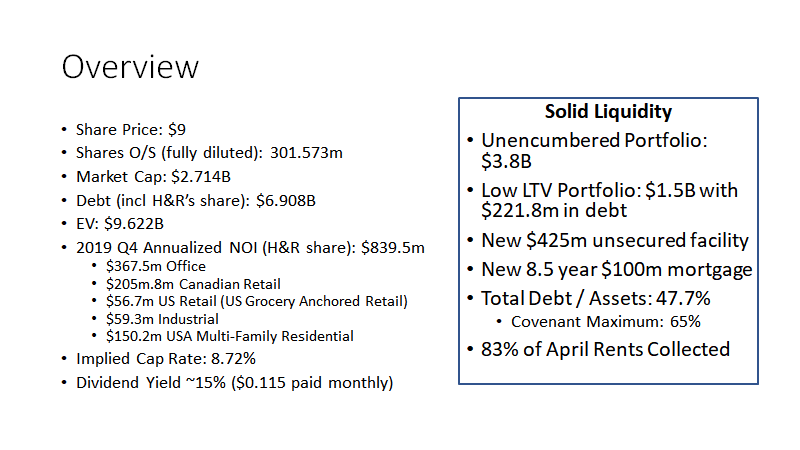
Hr Is The Most Undervalued Reit In Canada Otcmktshruff Seeking Alpha
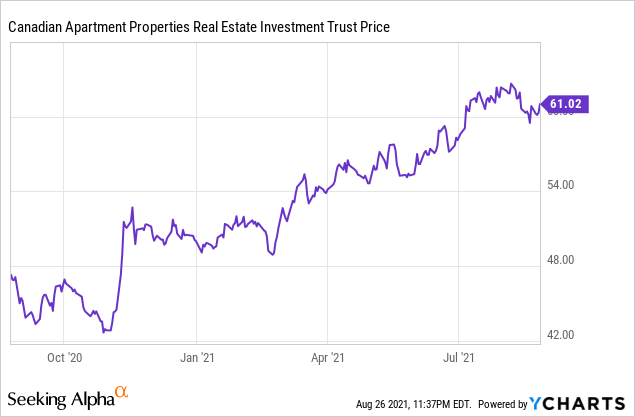
Canadian Apartment Reit Time To Take Profits After A 50 Price Increase Otcmktscdpyf Seeking Alpha
2

What Investments To Hold In An Rrsp Vs Tfsa Vs Taxable Account Asset Location - Build Wealth Canada Personal Finance Blog

Stop Excessive Profits In The Financialization Of Housing Liberal Party Of Canada

What Does Financial Freedom Mean To You Financial Freedom Financial Financial Independence
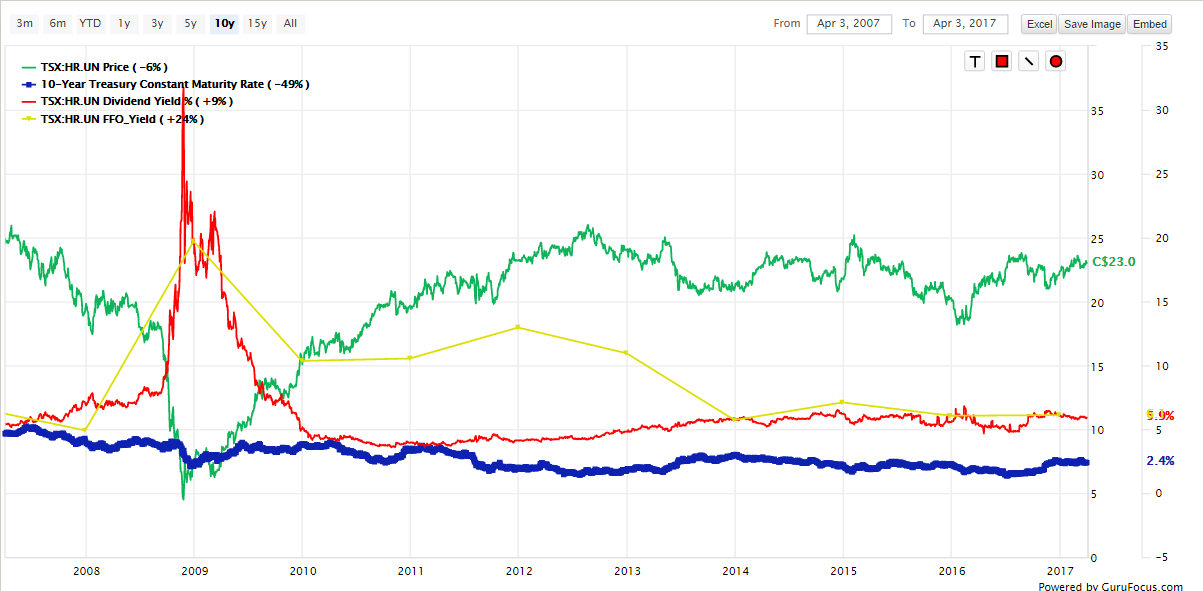
Introduction To Canadian Reits Seeking Alpha

Reit Taxation A Canadian Guide
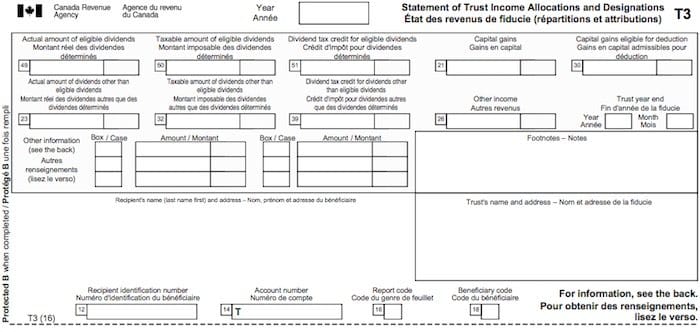
Reit Taxation A Canadian Guide

Pin On Financial Planning

Warren Buffett Investing Time To Buy These Struggling Stocks The Motley Fool Canada The Motley Fool Value Stocks Smart Money

Po Box 25291 395 Wellington Road South London On N6c 6b1 519-649-2502 Bsmithcasbmanagementgroupcom Httpwwwcasbmanagement Mortgage Allianz Logo Finance
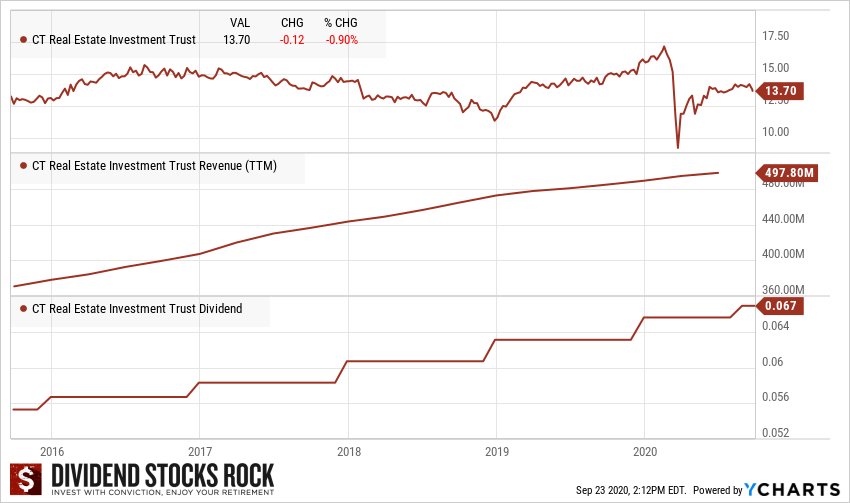
Top 3 Canadian Reits For 2020 - And Why Riocan Is Not Part Of It Seeking Alpha

Reits Canada Still Offers Tax Advantages For These Investments

Best Canadian Reits 10 Reits To Consider In 2021
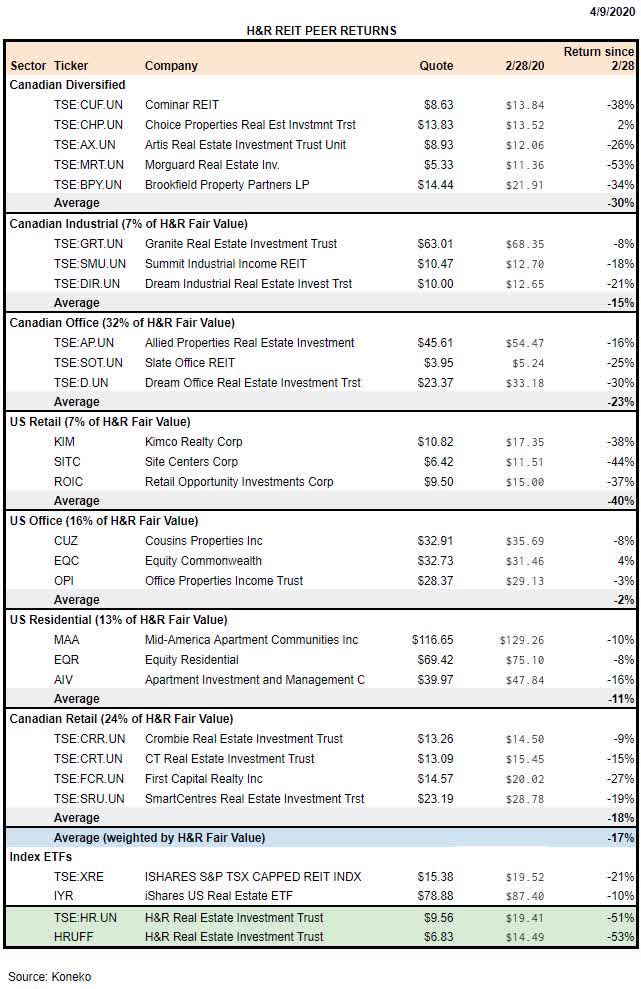
Hr Reit This Blue Chip Canadian Reit Has Never Been Cheaper Otcmktshruff Seeking Alpha
What Are Real Assets And How To Diversify Your Wealth By Investing In Them Investing Diversify Business Management
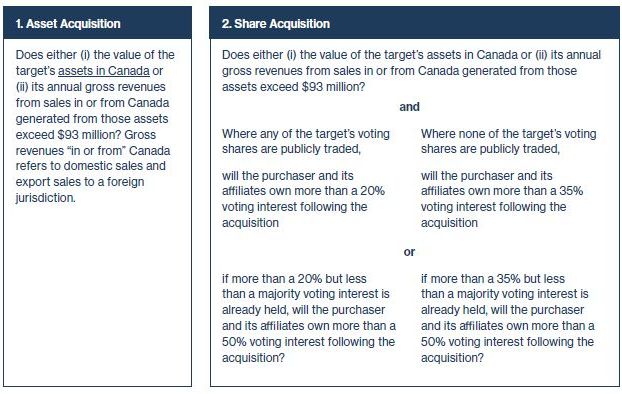
Pre-merger Notification Guide Canadas Competition Act - Anti-trustcompetition Law - Canada
V23dodcyjujopm